FIFA 3DO review
FIFA International soccer 3DO review
A statement of ambition
When FIFA International Soccer arrived on the 3DO, it carried a quiet but unmistakable sense of ambition. On hardware defined largely by technical demonstration discs and speculative promises, EA’s football title felt like an argument for the machine’s future: bigger vistas, sharper sound, and an audio-visual fidelity that 16-bit consoles could only dream of.
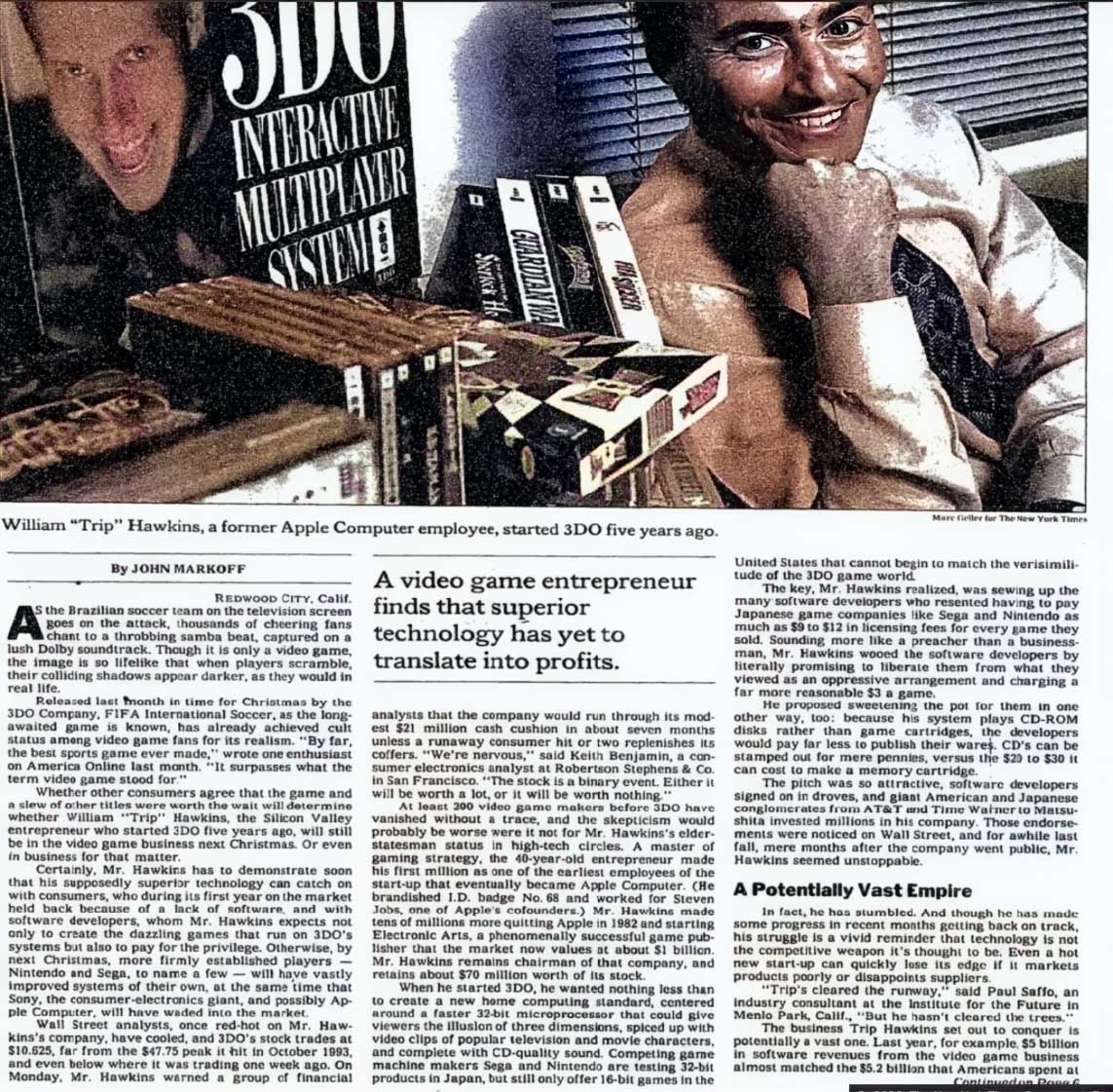
The EA developers had obtained early 3DO development kits and began experimenting. They probably took on the idea of converting FIFA as a favour to Trip Hawkins, who was the previous head of EA.
Within only a few weeks, they had converted FIFA from a purely 2D game into a “2.5D” prototype with:
- A simple green field
- 3D camera movement
- 2D sprite players placed in a 3D environment
Even with minimal graphics, the demo really impressed people internally at EA and convinced them to develop a full game for the system.
Visual upgrades that impress
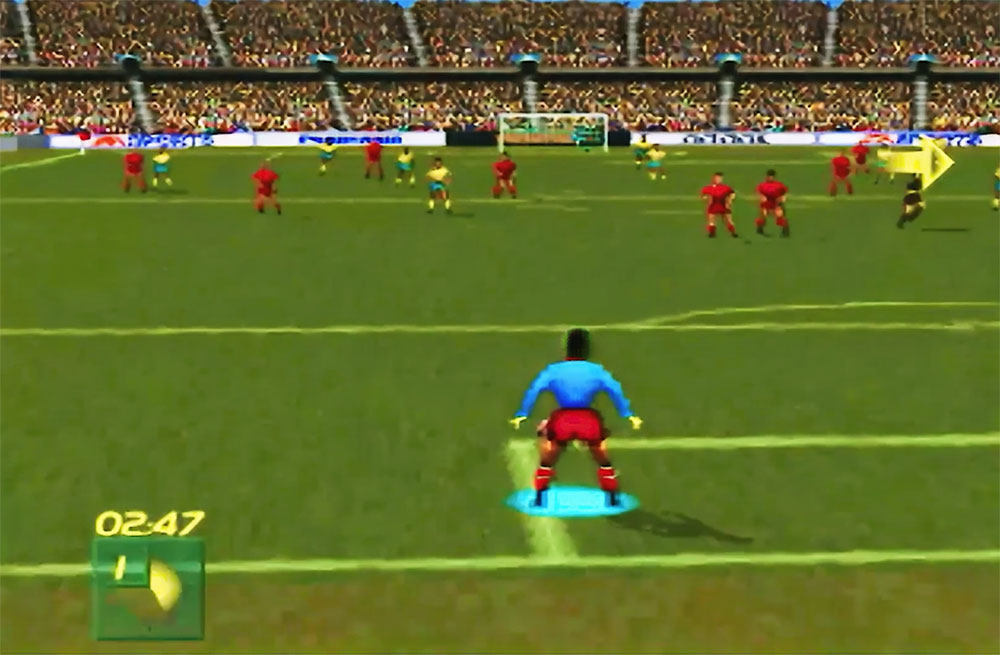
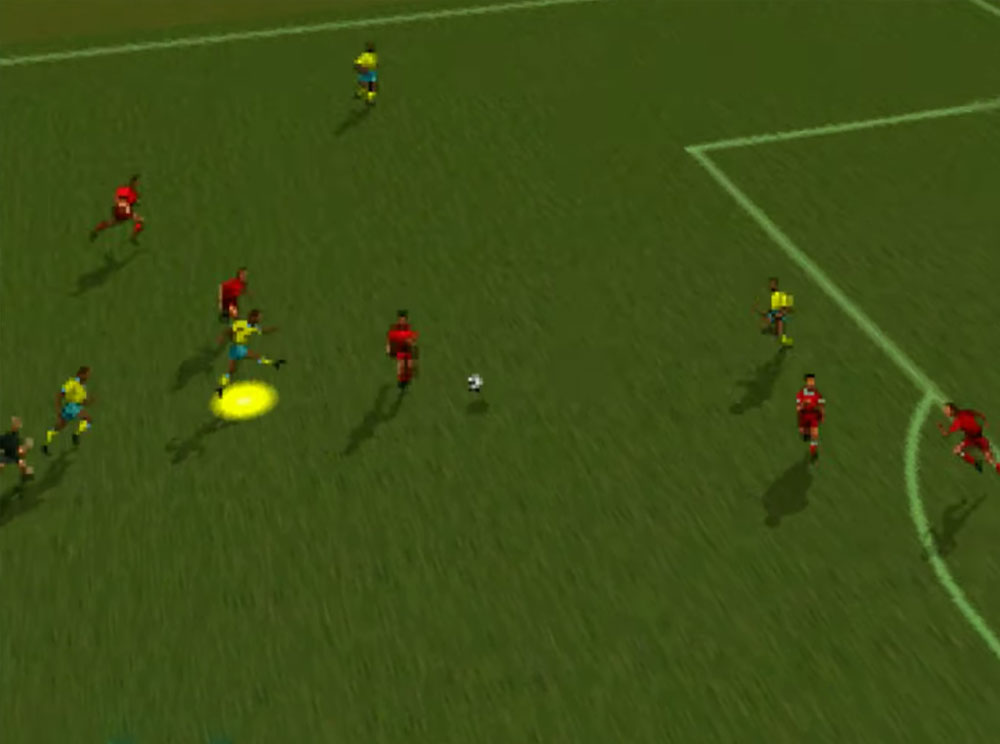
Booting the game immediately reveals what the 3DO’s expanded horsepower means for a sports simulation. The isometric perspective, familiar from the Mega Drive and SNES editions, is re-rendered here with noticeably greater clarity. Player sprites exhibit more definition, animations transition more fluidly, and the pitch—often a blank, repetitive sheet on older systems—feels appropriately textured and alive. Within its era, this was striking: football presented with a level of visual polish that made its cartridge-based siblings feel suddenly inadequate.
Dolby Surround Sound and crowd atmosphere
Sound, too, benefits from the 3DO’s capabilities. Crowd effects swell convincingly, mixing Brazilian percussion chants, cheers, and stadium ambience with far less compression than most sports titles of the early ’90s. The commentary remains pretty sparse, but the clarity of the effects gives the game a pronounced sense of place that few football games of the time could match.
Inherited mechanics and lingering quirks
Mechanically, FIFA on 3DO remains recognisably rooted in the blueprint of the original MegaDrive version. Clean passing lanes, readable movement, and a macro-level flow support deliberate attacking play. But the familiar quirks remain: defensive timing is unforgiving, slide tackles feel both floaty and overpowered, and there is only minimal re-balancing to address early-series issues. These traits give the game character, but also underline its limitations.
A smoother, weightier tempo
The leap in performance brings a smoother framerate and more generous animations, resulting in a game with greater physical presence. Movements feel less abrupt and the ball behaves with improved continuity. The downside is increased visibility of the AI’s simplicity—opponents oscillate between brief moments of structure and sudden lapses that open implausibly large channels of space.
Presentation over real depth
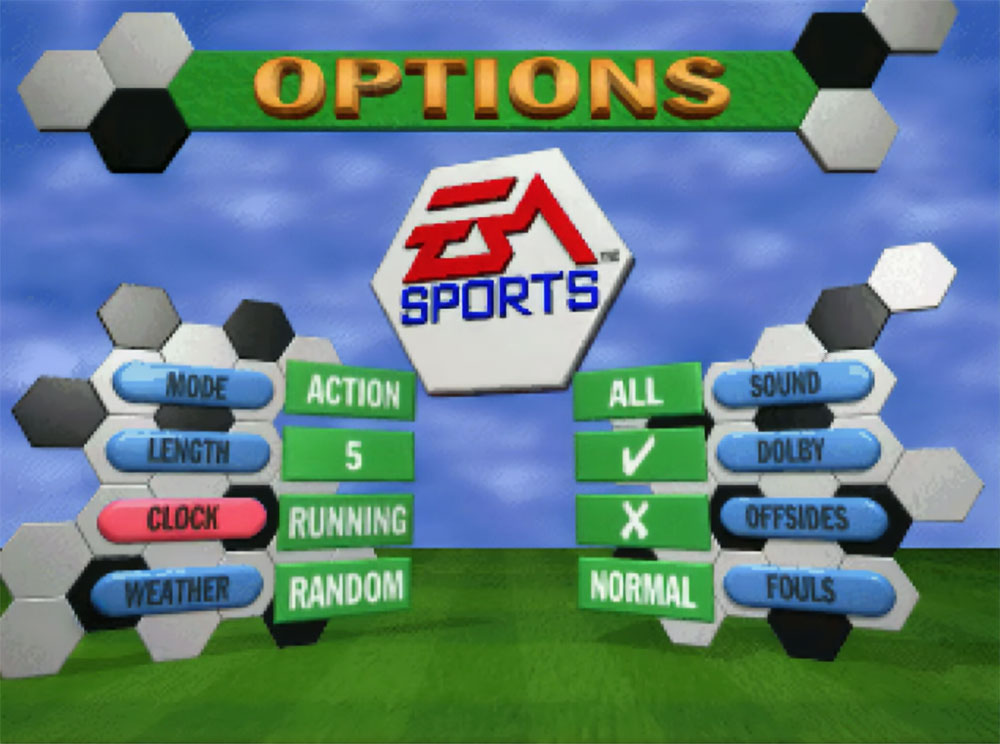
The advantages of the CD-ROM format shows itself mostly in presentation flourishes: higher-quality intros, cleaner music, sharper menus. These elements elevate the atmosphere but do little to expand the underlying modes or tactical depth. It’s classic early-CD-era design: bigger and bolder without necessarily being broader.
A good early example of what 3DO could do
On the 3DO—a machine starved at the time for polished, fully realised software—FIFA stood out. It felt substantial, making credible use of the system’s strengths rather than simply upscaling an existing experience. For early adopters, it must have felt like a glimpse of football’s future on next generation consoles.
Legacy and judgment
Viewed decades later, FIFA for 3DO is a transitional artefact, a bridge between fuzzy sprite-based sports games and the rapidly approaching polygonal era. It remains interesting not only as a product of its time, but as an example of the 3DO’s unrealised potential had more top tier developers come onboard.
Verdict
Technically confident, aesthetically impressive for its time, and mechanically familiar. Less revolutionary than its presentation suggests, but still one of the 3DO’s more convincing reasons to buy the system in 1994.
FIFA Codes
| Beef Cake Mode | RALBACLABA |
| Big Ball | BCBALLABALL |
| Brute Mode | RABBACLLBACL |
| Crazy Bounce | LABARRACCA |
| Giant Player | BABARBABBAR |
| Hot Potato | CRABBRLABABBR |
| Invisible Walls | ABBACABABBA |
| Laser Ball | LACRBALL |
| Metallic Men mode | BARCLBABBA |
| Radical Curve | CARCABRABBL |
FIFA 3DO manual
FIFA 3DO gameplay

Screenshots
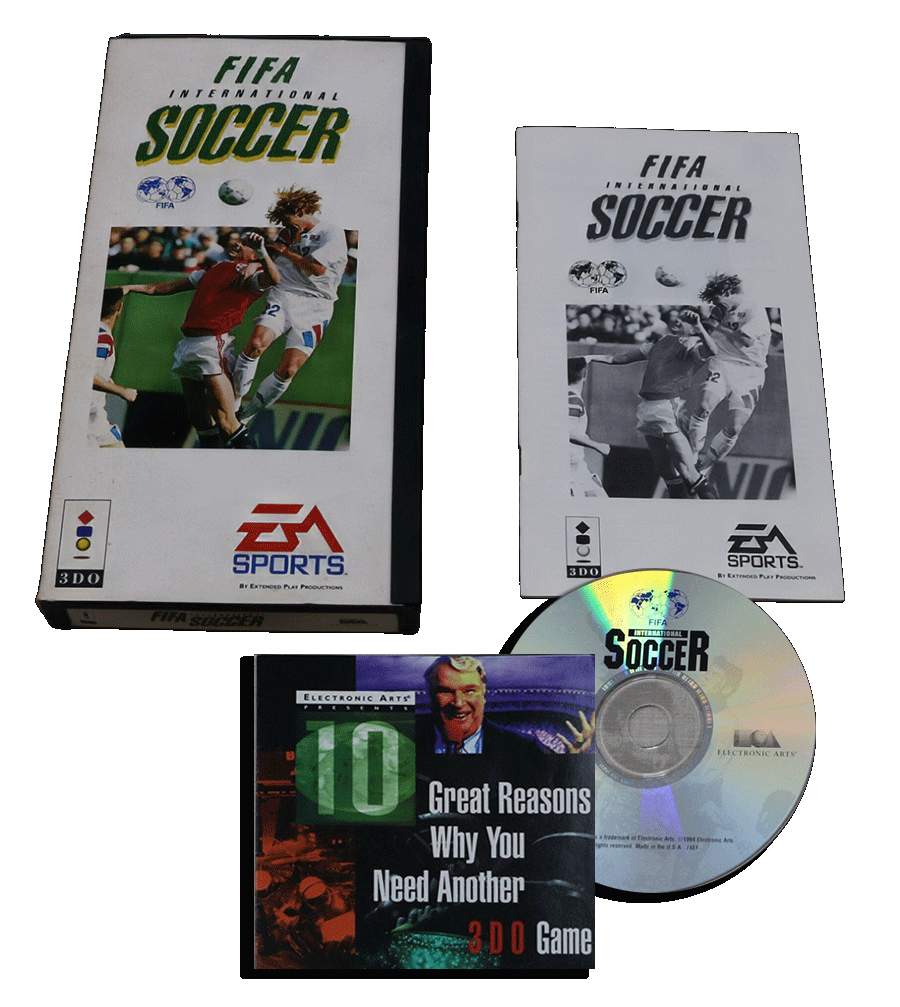
Game Box and CD
NYT 3DO article Feb 1994